
Cooking for Small Spaces
Master the art of efficient cooking in dorm rooms and compact kitchens with these proven techniques that maximize flavor while minimizing cleanup and storage requirements.
One-Pot Wonders
Transform simple ingredients into complete meals with minimal cleanup. From hearty pasta dishes to nutritious rice bowls, one-pot cooking is the ultimate space-saving solution for busy students.
- Reduces dish count by 70%
- Preserves nutrients and flavors
- Perfect for batch preparation
Minimal Equipment Mastery
Discover how a few versatile tools can replace a full kitchen arsenal. Learn techniques that work with just a microwave, rice cooker, and basic cookware.
- Multi-functional cooking methods
- Smart storage solutions
- Cost-effective meal prep
Batch Cooking Strategies
Save time and money by preparing larger quantities when you have access to shared kitchens. Learn portion control, proper storage, and reheating techniques.
- Weekly meal preparation
- Optimal storage containers
- Flavor preservation methods
Quick One-Pot Recipes for Students
Mediterranean Rice Bowl
Combine rice, canned tomatoes, olives, and frozen vegetables. Season with herbs and a splash of olive oil. One pot, complete nutrition.
Prep: 5 min | Cook: 20 min | Serves: 2-3Hearty Pasta Stew
Cook pasta directly in vegetable broth with diced vegetables, beans, and seasonings. A complete meal in a single pot.
Prep: 10 min | Cook: 15 min | Serves: 3-4Asian-Style Noodle Soup
Simmer noodles with miso paste, vegetables, and tofu. Add protein of choice for a satisfying, warming meal.
Prep: 5 min | Cook: 12 min | Serves: 2-3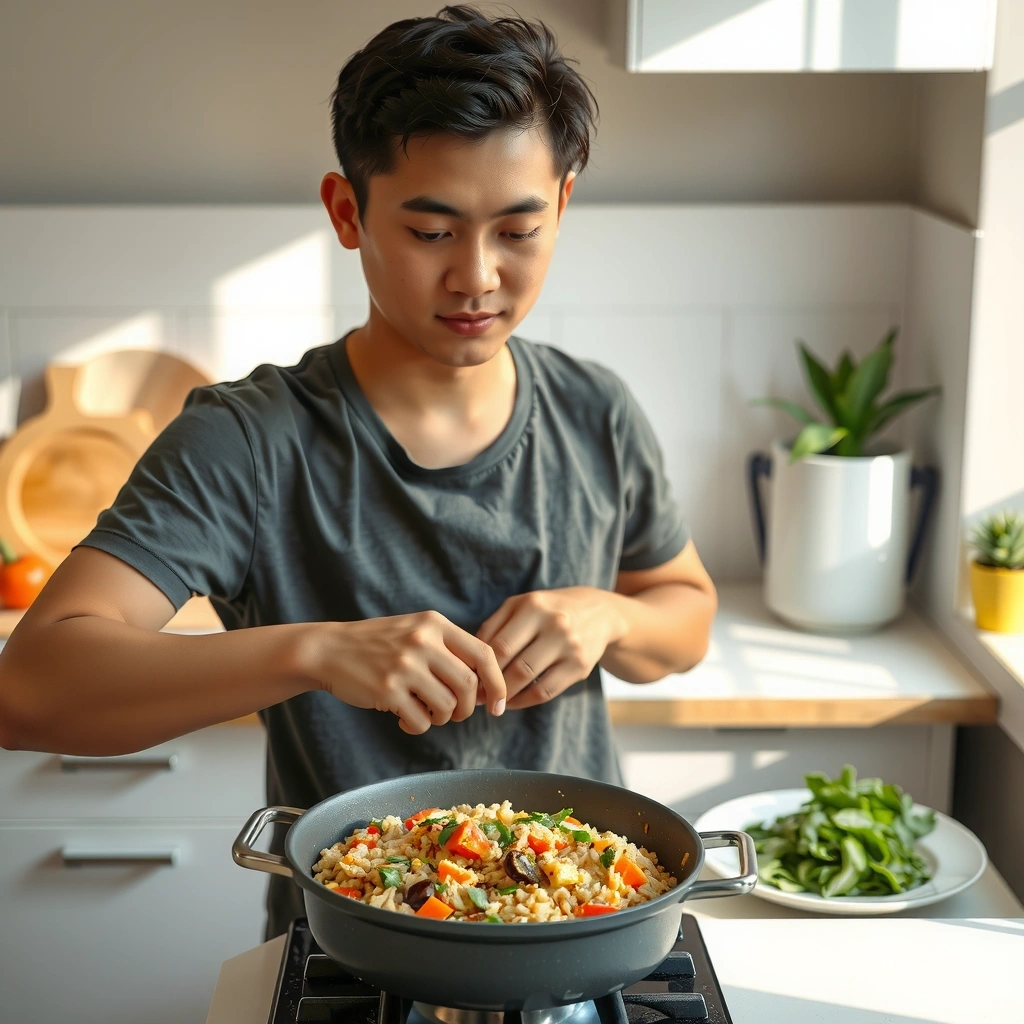
Space-Saving Storage Solutions
Transform your limited kitchen space into an organized, efficient cooking zone with smart storage solutions designed specifically for small apartments and dorm rooms.
Vertical Storage
Maximize wall space with hanging organizers, magnetic strips, and stackable containers. Utilize every inch from floor to ceiling.
Refrigerator Organization
Strategic placement of food items reduces waste and improves efficiency. Learn zone-based storage for optimal freshness.
Dry Goods Storage
Airtight containers, labeled bins, and rotation systems keep pantry staples fresh and easily accessible.
Drawer Optimization
Dividers, organizers, and smart stacking techniques transform cluttered drawers into efficient storage systems.
Essential Storage Products Under $50
Magnetic Knife Strip
Save counter space by mounting knives on the wall. Choose wood or stainless steel versions for durability.
$15-25Stackable Storage Containers
Clear containers with tight seals keep dry goods fresh and visible. Nested design saves cabinet space.
$20-35Over-Sink Drying Rack
Collapsible racks that fit over sinks save counter space while air-drying dishes efficiently.
$12-20Drawer Organizer Set
Bamboo or plastic dividers create designated spaces for utensils, gadgets, and smaller kitchen tools.
$18-30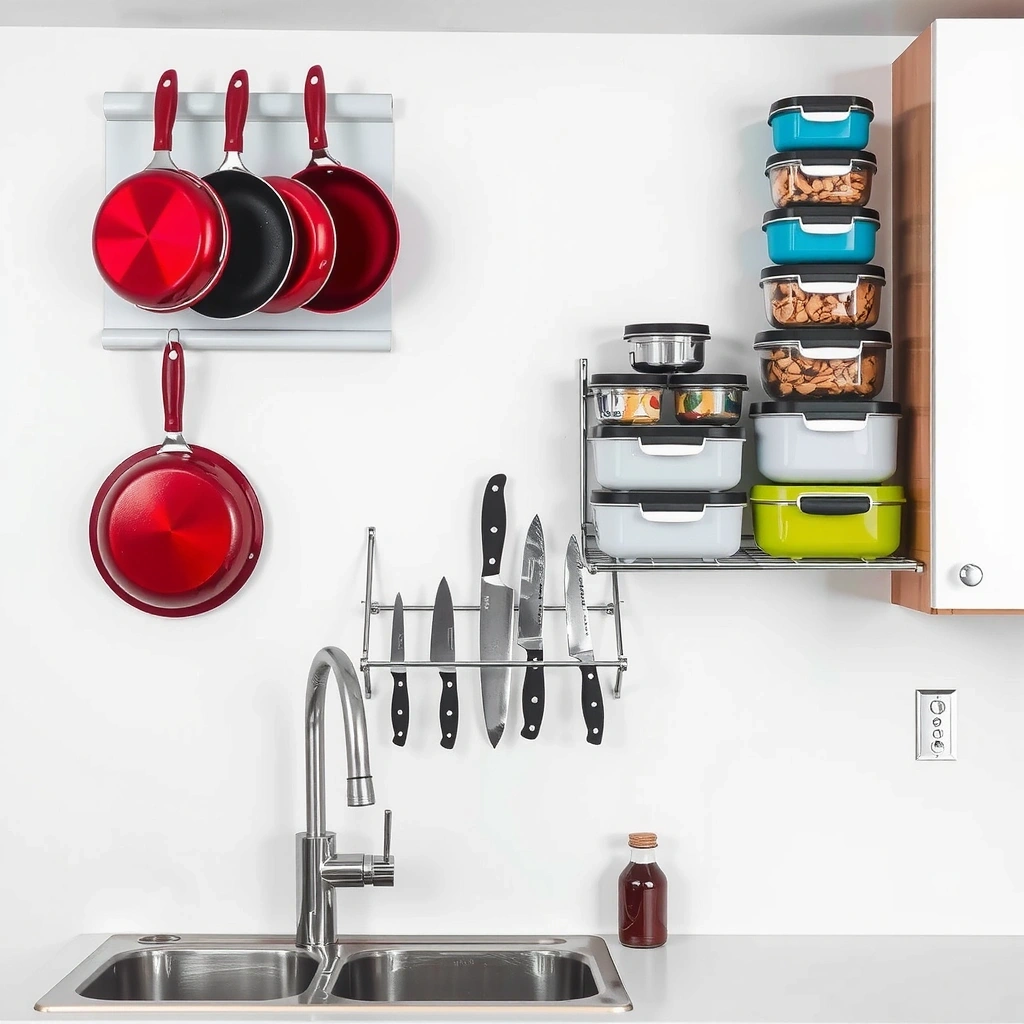
Pro Storage Tip
Store items you use daily at eye level, weekly items at reachable height, and seasonal/occasional items in harder-to-reach spots. This "frequency-based" system saves time and reduces kitchen fatigue.
Essential Equipment Under 500k IDR
Build a functional student kitchen with these carefully selected, budget-friendly tools that deliver professional results without breaking your budget.
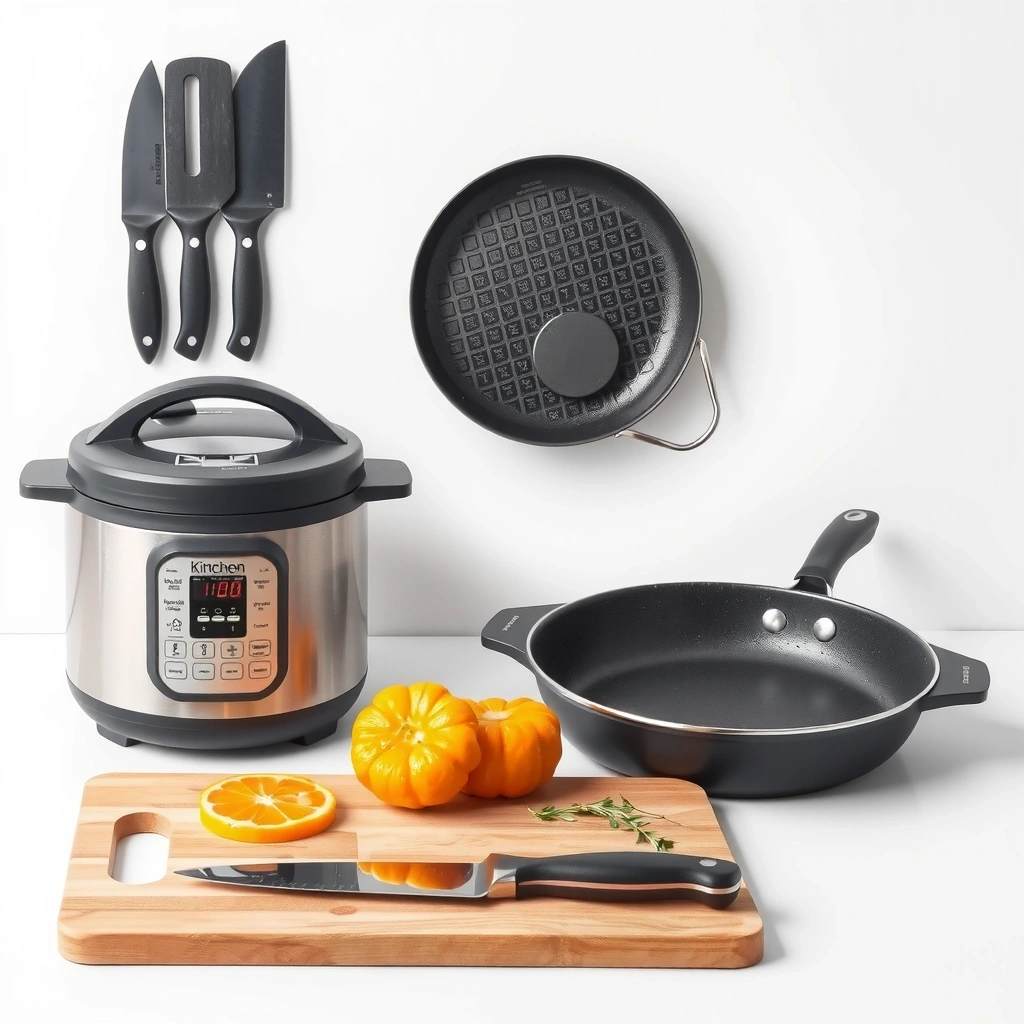
Rice Cooker
150k IDR
- Perfect rice every time
- Steam vegetables simultaneously
- Keep-warm function
- Compact 3-cup capacity
Budget brands: Miyako, Cosmos, Electrolux
Non-Stick Pan
80k IDR
- 20cm diameter (perfect size)
- Heat-resistant handle
- Compatible with gas & electric
- Easy-clean surface
Budget brands: Green Pan, Tefal, Kiwi
Sharp Knife Set
120k IDR
- 8-inch chef's knife
- 5-inch paring knife
- Stainless steel construction
- Ergonomic grip
Budget brands: Tojiro, Victorinox, Global
Cutting Board Set
60k IDR
- 3 color-coded boards
- Non-slip base
- Easy storage system
- BPA-free plastic
Budget brands: Joseph Joseph, Oxo, Bamboo
Complete Student Kitchen Setup Guide
Budget Breakdown
Where to Buy
- • Online: Tokopedia, Shopee, Lazada
- • Physical: ACE Hardware, Informa
- • Local markets for best deals
- • Student discounts available
Food Safety & Storage
Protect your health and budget with essential food safety practices and smart storage techniques that keep your meals safe, fresh, and flavorful.
Maintaining correct temperatures prevents bacterial growth and extends food life:
Refrigerator Zone (0-4°C)
- • Fresh meat & seafood
- • Dairy products
- • Cooked leftovers
- • Fresh fruits & vegetables
Freezer Zone (-18°C)
- • Long-term meat storage
- • Frozen vegetables
- • Batch-cooked meals
- • Ice cream & frozen treats
Tip: Use a refrigerator thermometer to ensure accurate temperature monitoring. Check daily!
Proper labeling prevents food waste and ensures food safety:
Content Label
Write the dish name clearly for quick identification
Date Prepared
Include prep date using DD/MM format
Eat By Date
Most leftovers safe for 3-4 days refrigerated
Labeling Template:
Dish: Chicken Curry
Made: 15/01
Eat By: 18/01
Proper reheating ensures food safety and maintains quality:
Temperature Rule
Reheat to 74°C (165°F) for at least 15 seconds. Use a food thermometer for accuracy.
Microwave
- • Cover to retain moisture
- • Heat in 30-second intervals
- • Stir halfway through
- • Let stand 1-2 minutes
Stovetop
- • Use medium heat
- • Add liquid if needed
- • Stir frequently
- • Cover when reheating
Oven
- • Preheat to 180°C
- • Cover to prevent drying
- • Heat 15-20 minutes
- • Check internal temp
Smart storage extends food life and maintains quality:
Refrigerator Organization
- Top shelf: Ready-to-eat foods, leftovers
- Middle shelf: Dairy products, eggs
- Bottom shelf: Raw meat, fish (in containers)
- Door: Condiments, beverages, butter
Storage Container Tips
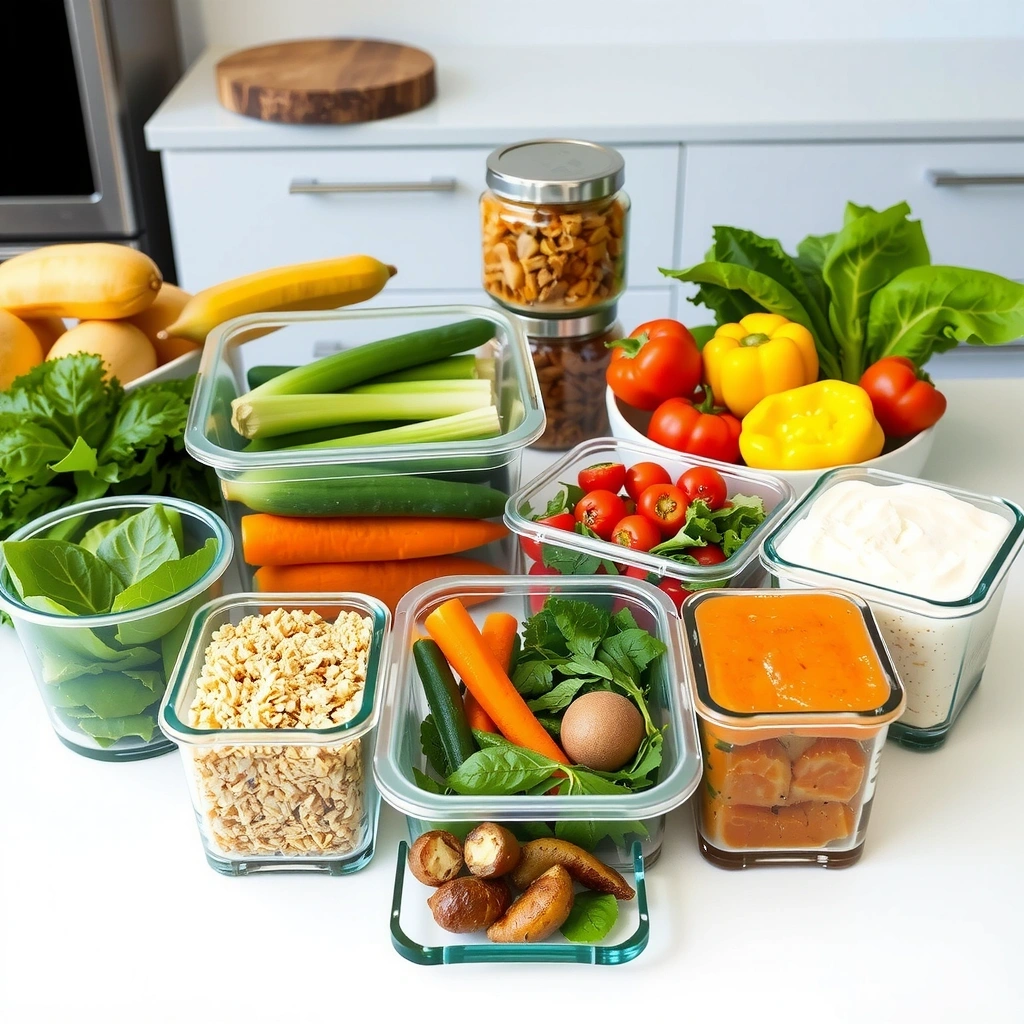
- Use clear containers for visibility
- Choose airtight seals for freshness
- Label with contents and date
- Cool food completely before storing
- Don't overfill - allow air circulation
Food Safety Red Flags
Foul Odors
Any unpleasant smell indicates spoilage - discard immediately
Slimy Texture
Slippery or slimy surfaces on meat, fish, or produce
Discoloration
Unusual colors, dark spots, or mold growth
Expired Dates
Always check "use by" and "best before" dates
Food Safety Success Tips
Regular Cleaning
Clean refrigerator weekly, sanitize containers monthly
First In, First Out
Use older items before newer purchases to reduce waste
Temperature Monitoring
Check refrigerator temp daily, use thermometers
Proper Cooling
Cool hot foods to room temp within 2 hours before refrigerating
Meal Planning Workflow
Master the art of efficient meal planning with our proven step-by-step system that saves time, reduces food waste, and ensures nutritious eating throughout your busy student week.
Sunday Prep Routine
Start your week with a dedicated 2-3 hour meal prep session that sets you up for success.
Time Allocation
60 min planning, 90 min cooking, 30 min storage
Key Activities
Wash and chop vegetables, cook grains and proteins, prepare snacks
Weekly Menu Creation
Design a balanced weekly menu that incorporates variety, nutrition, and your personal preferences.
Balanced Framework
Include proteins, whole grains, vegetables, and healthy fats in each meal
Rotation Strategy
Repeat favorite meals 2-3 times weekly, try new recipes 1-2 times
Smart Shopping Strategy
Create efficient shopping lists and shop strategically to maximize value and minimize food waste.
Organized Lists
Group items by store section, check inventory first
Budget Focus
Prioritize staples, compare unit prices, use student discounts
Efficient Storage System
Implement smart storage solutions that keep ingredients fresh and meal prep items organized.
Container Strategy
Use clear containers, label everything, organize by usage frequency
Date Management
Practice FIFO (First In, First Out), check dates regularly
Daily Execution
Execute your meal plan efficiently with quick assembly techniques and flexible backup options.
Quick Assembly
Mix and match prepped components for variety
Flexibility Factor
Keep 2-3 backup meal options for busy days
Sample Weekly Meal Plan
Monday - Protein Power
Grilled chicken with quinoa and roasted vegetables
Wednesday - Veggie Focus
Lentil curry with brown rice and steamed broccoli
Friday - Comfort Food
Homemade pasta with marinara and side salad
Pro Tip: Prep versatile base ingredients (rice, roasted vegetables, proteins) that can be mixed and matched throughout the week for variety without extra cooking.
Ready to Transform Your Student Kitchen?
Start implementing these practical tips today and discover how easy and affordable it is to cook delicious, healthy meals in your small space.
Download Free Guide
Get our complete kitchen setup checklist and meal planning templates
Join Community
Connect with other student cooks and share your best tips and recipes
Weekly Newsletter
Receive new recipes, shopping tips, and kitchen hacks every week